
Technology and torpedo anchors
You need a little brutality in your life

It was many years now that I was sent, as a young engineering graduate, to Norway.
That sounds a little final: It wasn't a prison sentence but is actually a really nice place. I was sent to step out of the high-falutin’ world of aerospace design and into the mucky realities of manufacturing engineering.
And not even into aerospace manufacturing, but marine oil & gas. A salty little role in an old-school factory in a tiny village called Brattvåg, nestled in a beautiful fjord on the West Coast of Norway.
They made hydraulic motors and control valves for anchor handling vessels. This is a fun mix of high-tech and thumpingly agricultural engineering, and bears explanation.
Oil rigs don't (usually) park themselves, and the floating variety need mooring with serious anchorage driven into the sea floor. This is where an anchor handling vessel comes in, and as you might imagine it takes a special kind of anchor to moor an oil rig.
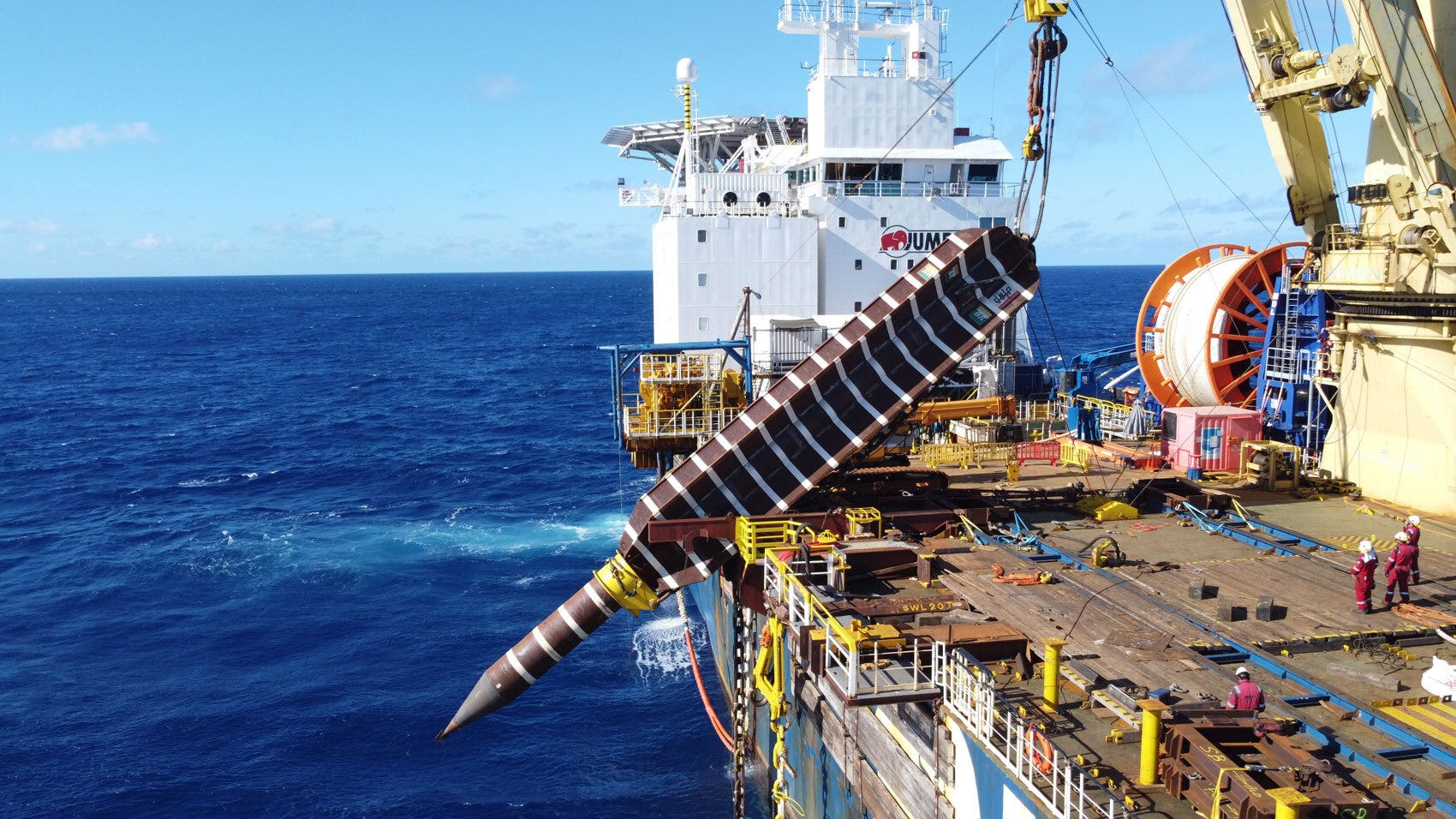
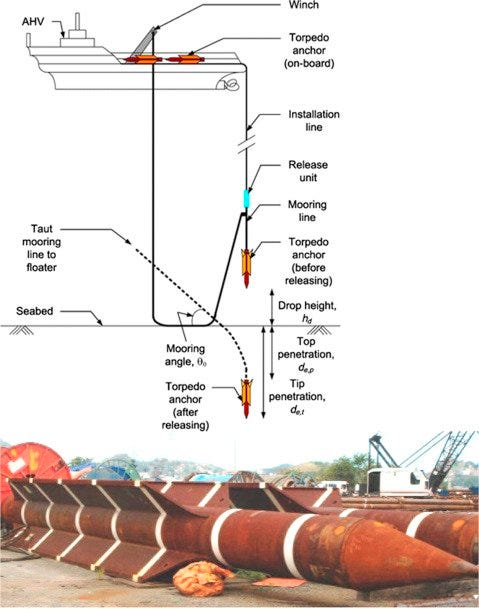
A torpedo anchor is 50 to 100 tons of casual pointy brutality, designed to be released between 30 and 100 metres off the sea floor and fall with increasing speed until it impacts at anything up to 20 metres per second, driving itself deep into the firmament to form an instant anchor pile capable of withstanding thousands of tons.
To deploy these requires big cranes and lots and lots of force. This means lots of torque, which is where Brattvåg's hydraulic motors came in: Simple devices that convert pressurised hydraulic fluid, through elliptical bores and sprung vanes, into apocalyptic amounts of torque, suitable for handling torpedo anchors and chains in harsh conditions.
It was a lesson in the applicability of heavy engineering: That not everything has to be AI powered, shiny new tech and sometimes you need a bit of old fashioned brutality to get the job done, and make plenty of money in the process.
And tiny Brattvåg was endearing for other reasons: So small and personal was the village that after school hours, the children of the factory workers would walk down to the plant to see their fathers for the last working hour. There they would hijack the little scooters that were used to move castings around the place and zoom up and down the halls. Nobody thought this was odd in any way.
On weekend overtime, one particular guy was known to bring his rifle into the test cell on rare occasions, so he could lean out of the window and blow away seagulls floating on the fjord. Small villages have different rules.
And a drive away from this was Ulstein, where the ships themselves were built, and after touring one of these beasts I had a much better appreciation of the duality of this industry: Old-fashioned engineering controlled by the most impressive high-tech wizardry you will ever see.
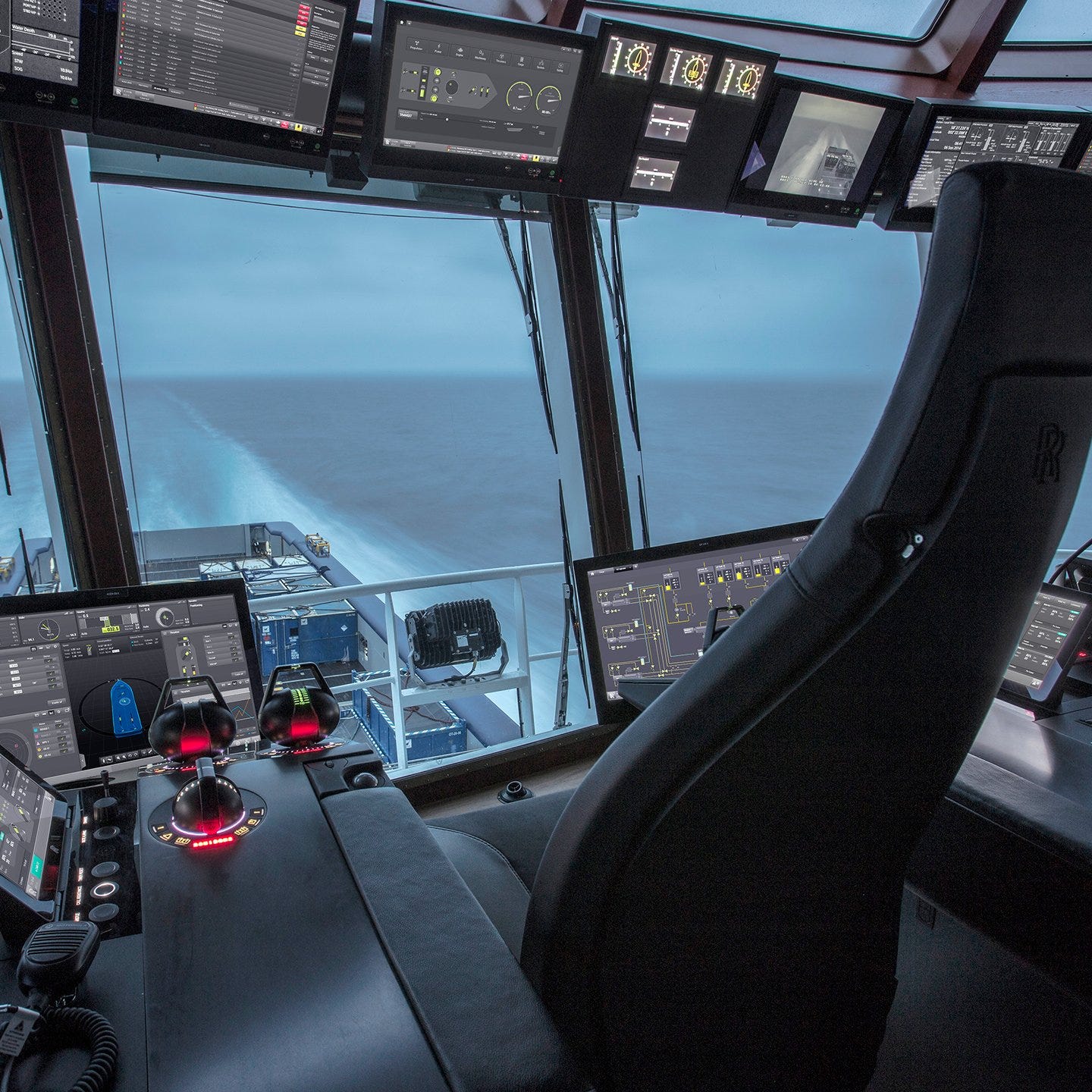
Be in charge of deck operations & machinery on one of these vessels and you have the ultimate command seat: Because the deck on these vessels can be used for anything, and because it's a very dangerous place to be, a maximum amount has to be controlled remotely by cranes, robots, shark-tooth fixings and other machinery. One man can control all of this from a Rolls-Royce designed deck operations command seat that looks like it could launch a colony ship to Alpha Centauri.
This is no mere crane-&-jib operator: To sit in that seat requires years of training and is a much sought-after job. It's blue collar work for white collar intellects and is exceptionally skilled. A colleague over there made his career by designing a simulator to train these people in Ålesund, a beautiful town on an island chain 50 minutes away from Brattvåg.
To me, it's this duality that characterises the modern world: A diamond veneer of high technology covering an older, rustier superstructure that holds everything up behind the scenes.
We should never be too taken by the easy glamour of ‘tech, because the world still mostly runs on the old ways, and changes slowly over time.
And be thankful for the men in the oil patch, for they work tirelessly for us all, at the biting point of the world economy and in nature's way. High seas and high tech.
Technology and torpedo anchors.
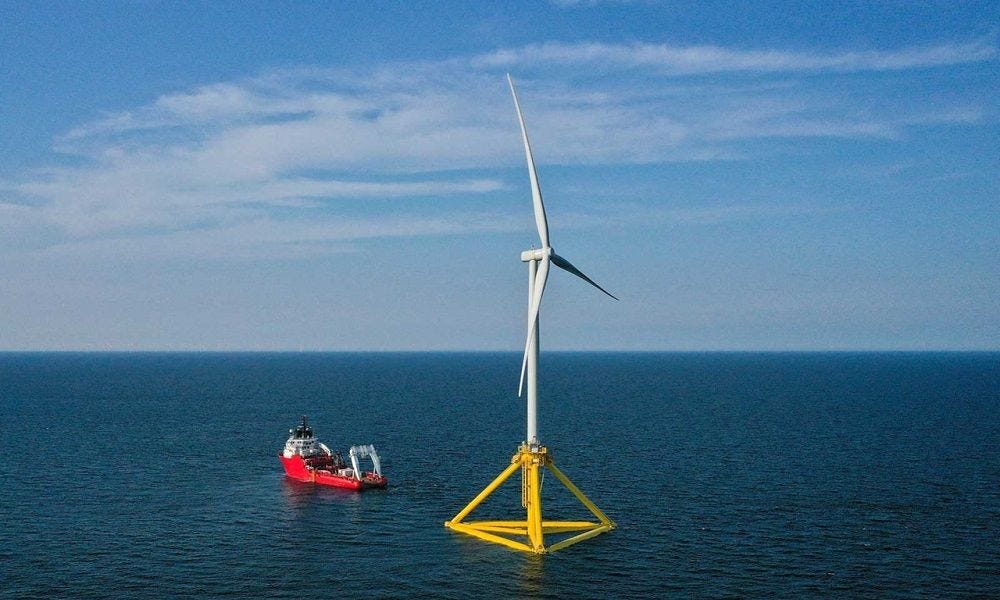
Very interesting article. Always wondered how these oil rigs stay in one place. How many of these anchors are needed to keep it secure, a assume at least 3.
Also I thought they would be like dyna bolts and expand once in. What to do with them after decommissioning of the rig, do they leave it behind or pull it for next project.
Has there been a case they come off and rig loses it anchor and floats away.
100t of steel and about $500 per ton, that's something like too small to worry about.